
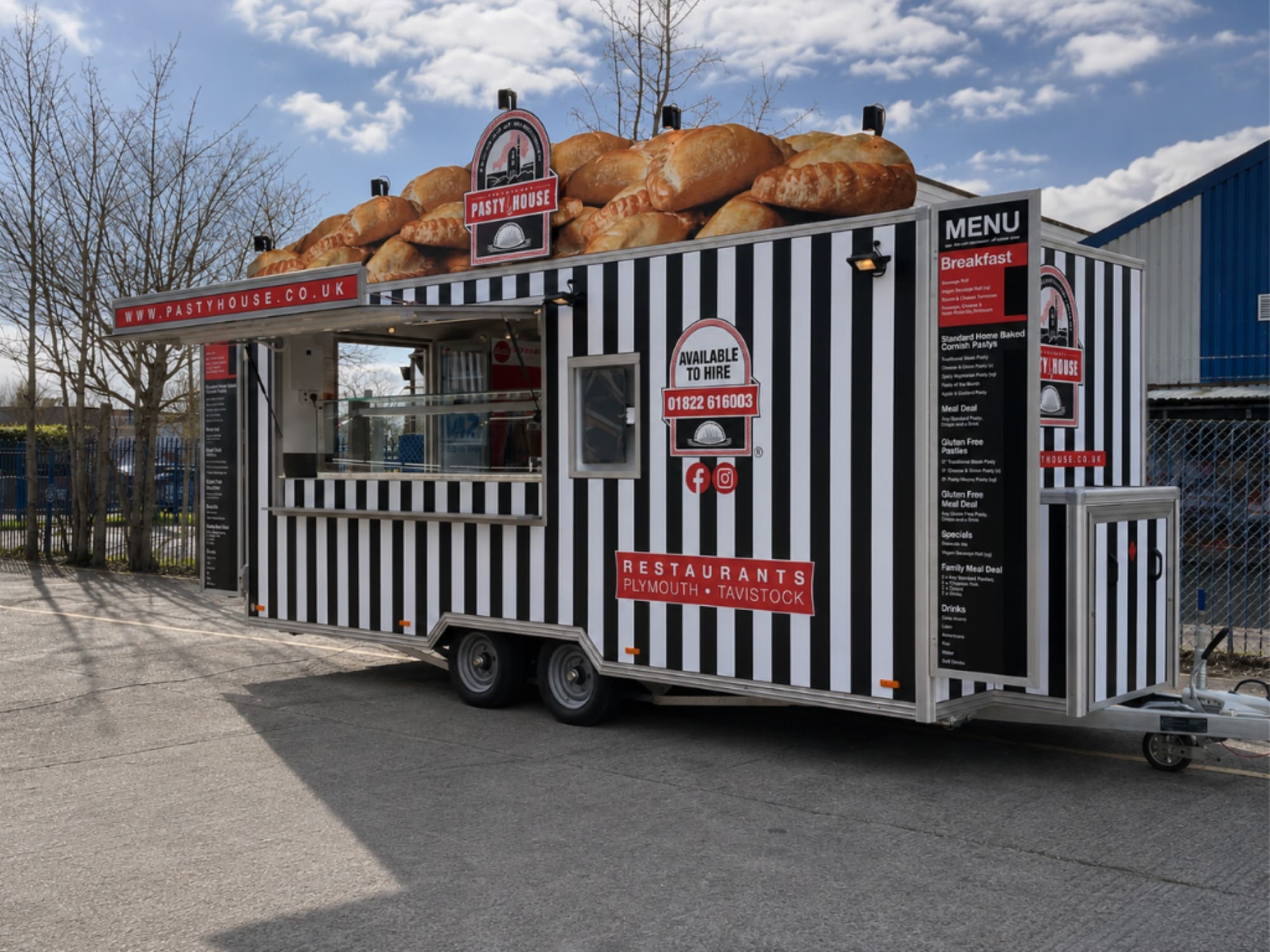
Starting a mobile catering business can be a great way to turn a passion for food or drink into a flexible business trading at markets, festivals, events and private functions across the UK.
Before choosing a trailer or vehicle, start with what you actually want to sell. Your menu will affect almost every other decision you make, including the size of trailer you need, the cooking equipment required, refrigeration and storage, preparation space, water systems, and gas and electrical requirements.
Keeping the menu relatively focused when starting out can also make it easier to plan the equipment, control costs and create an efficient working layout.
At Tudor Trailers, we design and build bespoke catering trailers and mobile catering units for businesses across the UK. Based in Weston-super-Mare, North Somerset, we are ideally placed for customers across Somerset, Bristol and the wider South West, while continuing to work with businesses nationwide.
In this guide, we’ll look at some of the main things to consider when starting a mobile catering business in the UK.
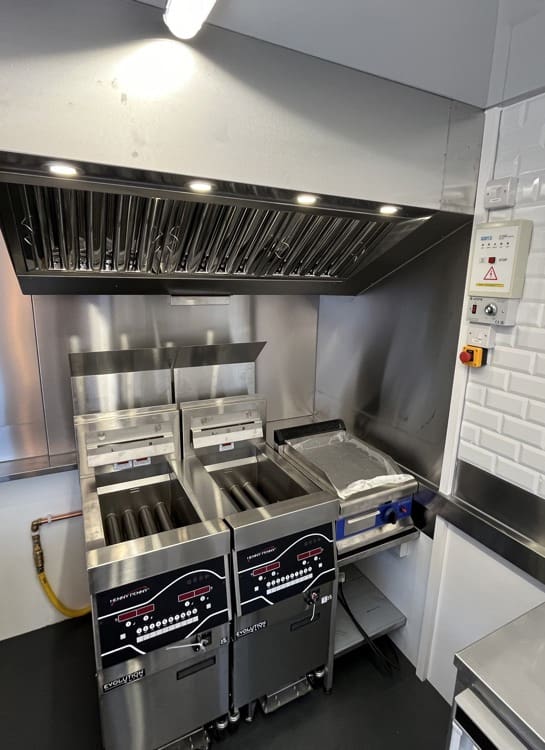
Starting a Mobile Catering Business: Where to Begin
Before choosing a trailer or vehicle, start with what you actually want to sell.
Your menu will affect almost every other decision you make, including:
- The size of catering trailer you need
- The cooking equipment required
- Refrigeration and storage
- Preparation space
- Water systems
- Gas and electrical requirements
- How many people need to work inside
- How quickly you need to serve customers
A mobile coffee business will have very different requirements from a pizza trailer, burger business or fully equipped mobile kitchen.
Keeping the menu relatively focused when starting out can also make it easier to plan the equipment, control costs and create an efficient working layout.
Choosing the Right Catering Trailer
or Mobile Catering Unit
Once you have a clear idea of what you’re going to sell, you can start looking at the type of mobile catering unit that best suits the business.
Bespoke Catering Trailers
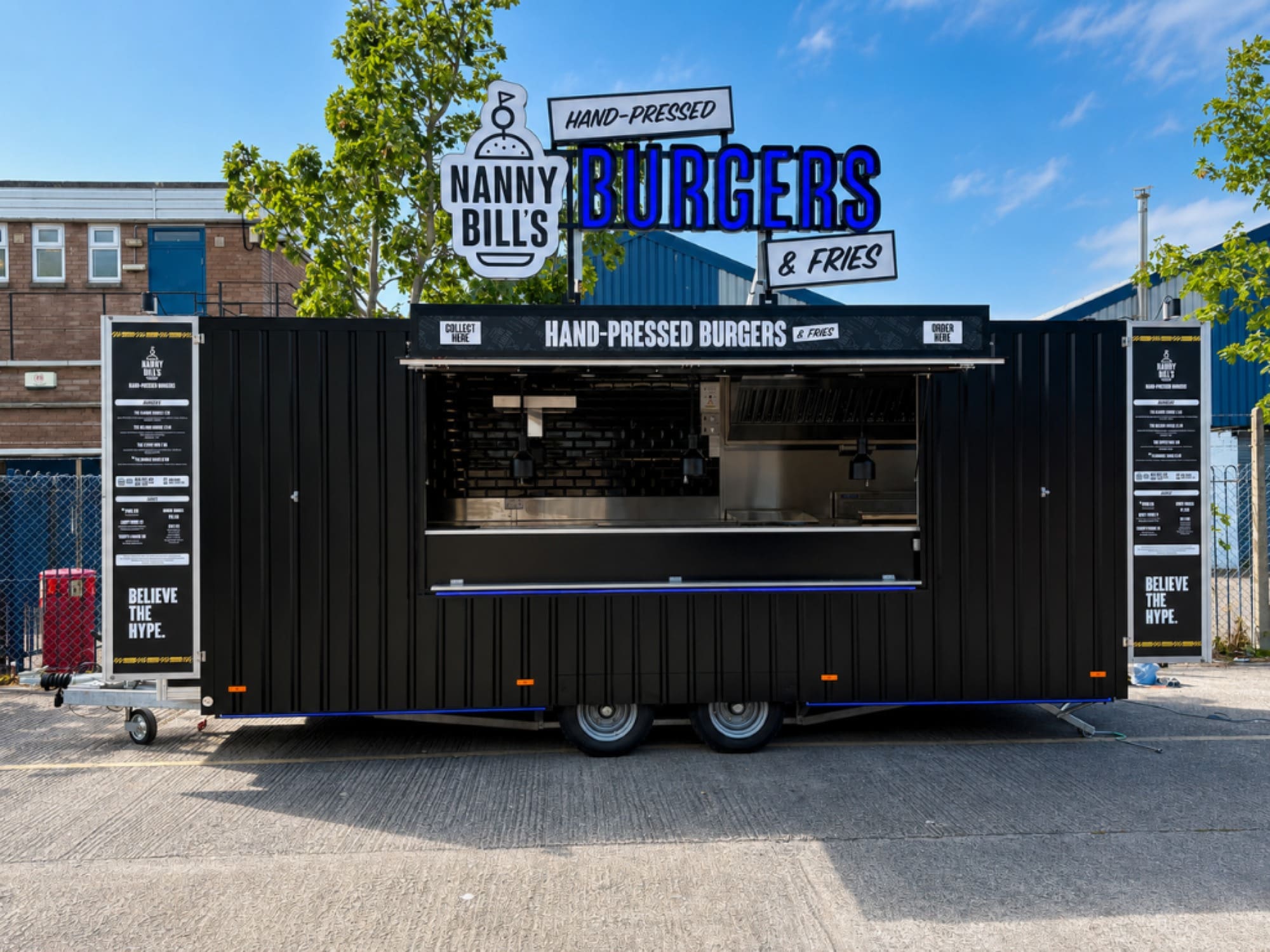
A purpose-built catering trailer is one of the most flexible options for a new mobile food business. Trailers can be designed around your menu, equipment and working requirements, with different sizes available depending on how much space you need.
Tudor Trailers offers a range of bespoke catering trailers, from compact units for smaller businesses through to larger food trailers designed for busy events and shows.
Catering Van and Food Truck Conversions
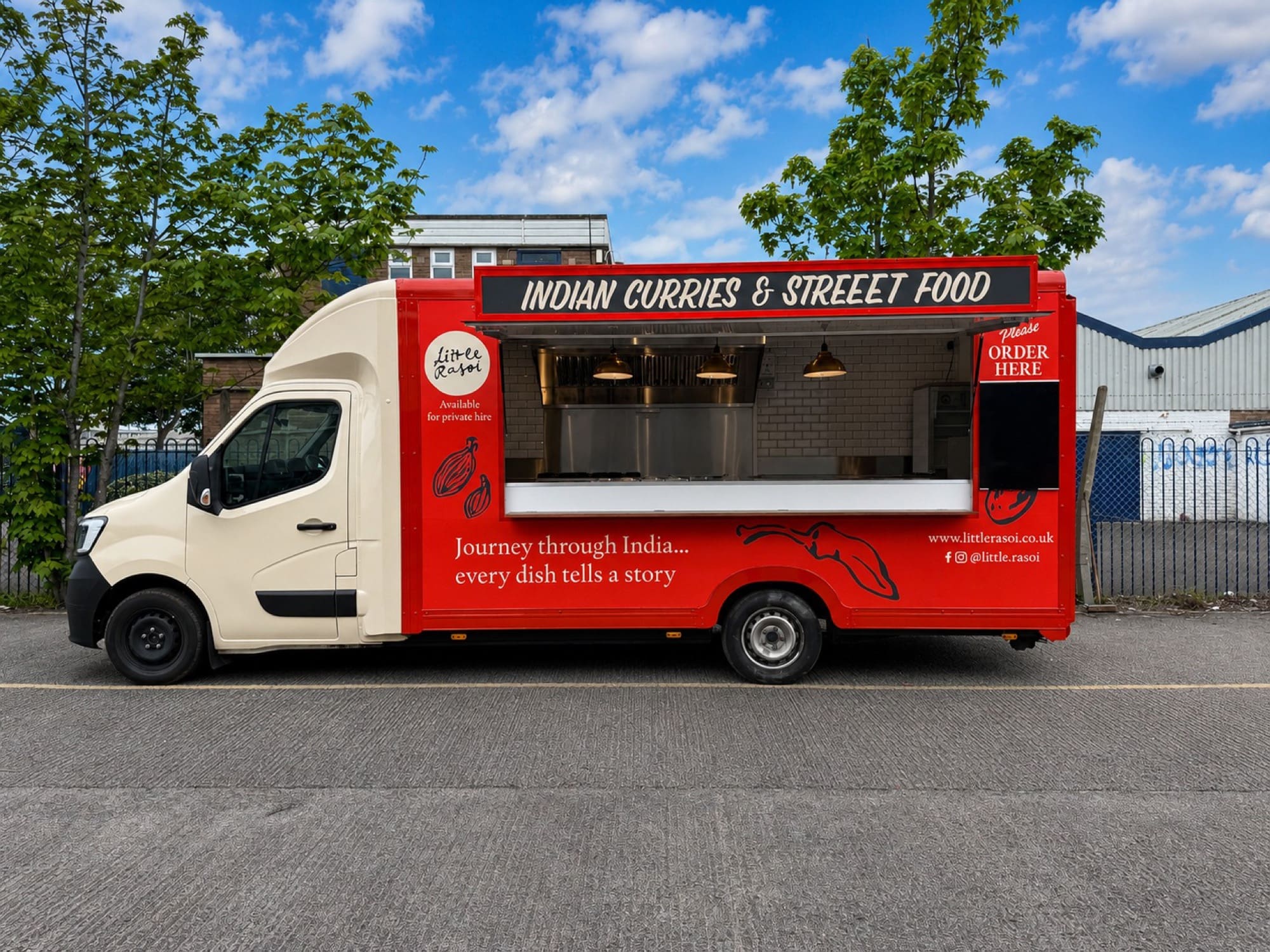
If you would prefer your kitchen and vehicle to be combined, a catering van or food truck conversion could be a better option. Panel vans, box vans, chassis cabs and vintage vehicles can all be converted into fully equipped mobile catering units.
This can work particularly well for businesses that travel frequently or want the convenience of having everything contained within one vehicle.

Horse Box Catering Builds and Conversions
Horse box catering trailers remain popular because they offer a distinctive appearance as well as practical working space.
They can work particularly well for coffee, bars, street food, weddings and event catering.
Tudor Trailers can build you a new horse box catering trailer from scratch, or convert a horse box you already own.
How to Plan the Right Catering Trailer Layout
The layout of your catering trailer or food truck can make a huge difference to how efficiently the business operates.
Think about the journey from taking an order through to preparing, cooking and serving it. Consider questions such as:
- Where will orders be taken?
- Where will food be prepared?
- Where will cooking equipment be positioned?
- Where will chilled and frozen ingredients be stored?
- How many people will be working inside?
- Where will clean and dirty equipment be kept?
- Where will customers collect their orders?
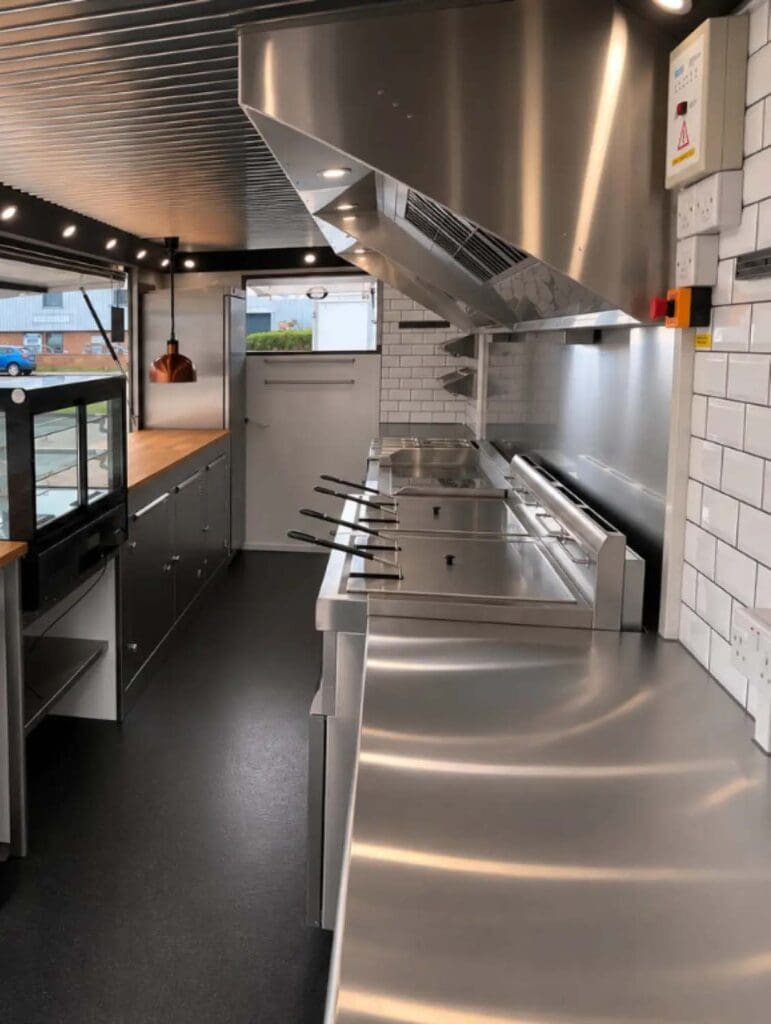
At Tudor Trailers we work with customers to design layouts around their individual business and equipment requirements, rather than trying to fit every business into the same standard layout.
Mobile Catering Business Start-Up Costs
The cost of starting a mobile catering business goes beyond buying the trailer itself. You should create a realistic budget that considers both the initial set-up costs and your ongoing running costs, including:
- Catering trailer or vehicle
- Cooking equipment and refrigeration
- Branding and signage
- Initial stock
- Insurance
- Gas and electrical certification
- Pitch and event fees
- Card payment equipment, packaging, fuel and marketing
It is worth keeping some of your budget aside for working capital rather than spending everything on the initial build.
Registering Your Mobile Catering Business
Food Business Registration
If you sell, cook, store, handle, prepare or distribute food, your business will normally need to be registered with the relevant local authority. This applies to mobile and temporary food businesses as well as fixed premises.
You should register your food business before you start trading and allow enough time for the local authority to process your registration. It’s also worth checking which local authority you need to register with, particularly if your trailer is stored in one area but trades across several towns or counties.
Do You Need a Street Trading Licence?
Depending on where you plan to trade, you may also need permission from the local authority. Street trading requirements can vary between different councils, so you should always check the rules for the area where you want to operate.
For businesses trading across Somerset and Bristol, this may mean checking separate local requirements depending on the pitch, market or event. If you are trading at organised markets, festivals or events, the organiser may also have their own requirements before accepting traders.
Food Hygiene, Gas and Electrical Safety
Food Hygiene Requirements
Food safety needs to be built into the business from the beginning. Food businesses are responsible for making sure food is safe, staff follow good hygiene practices, allergens are managed correctly and appropriate food safety procedures are in place.
The layout of the trailer should make it possible to work hygienically, with suitable handwashing, food preparation, refrigeration, cleaning and storage facilities.
Gas and Electrical Safety
If you’re using commercial catering equipment, gas and electrical safety should also be considered when planning your mobile kitchen, especially as catering trailers often combine several pieces of high-powered equipment within a relatively small working area.
Tudor Trailers has qualified Gas Safe and NICEIC engineers and can provide gas and electrical testing and certification for mobile catering units, with ongoing testing and support from our workshop in Weston-super-Mare.


Where Can You Trade with a Catering Trailer in the UK?
A great catering trailer is only part of the business. You also need customers. Potential trading locations could include street food markets, festivals, agricultural shows, sporting events, weddings, private parties, corporate events, business parks, regular roadside or town-centre pitches and Christmas markets.
A fast-moving street food menu may work particularly well at festivals and events, while a coffee trailer could benefit from regular weekday locations as well as weekend events. Before committing to a pitch, consider footfall, competition, pitch fees, access, electricity and water availability.
Branding and Marketing Your Mobile Catering Business
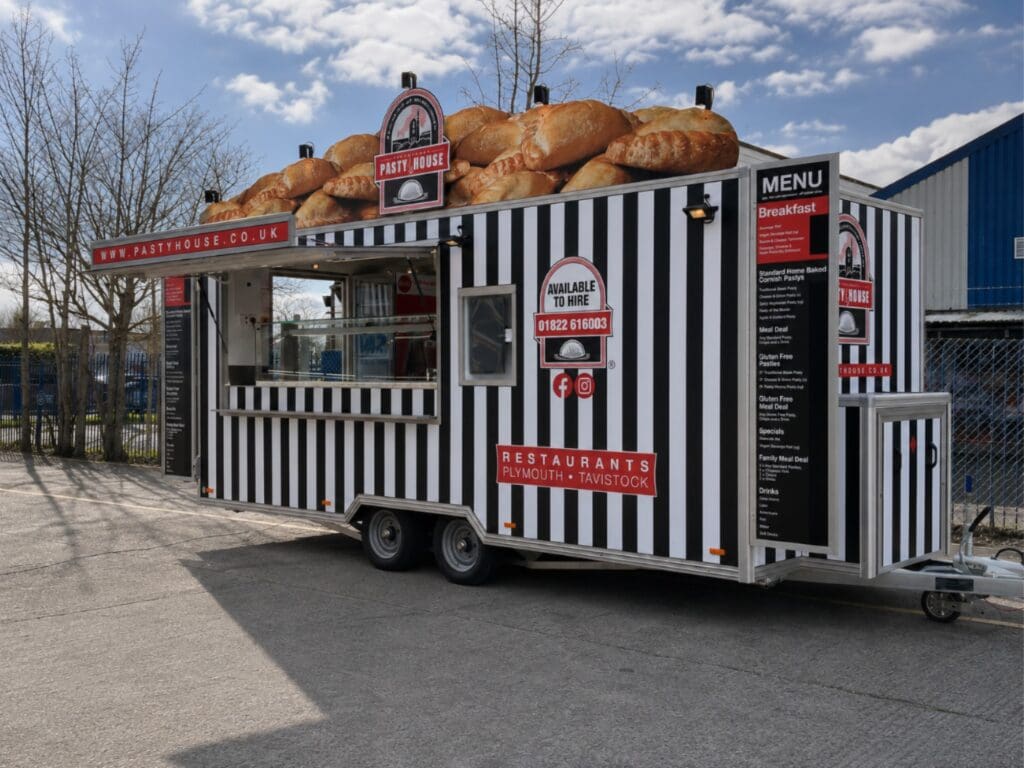
Your catering trailer is also a moving advertisement for your business. A strong name, logo and consistent branding can help you stand out when you’re surrounded by other traders.
Your branding can be carried across the trailer, menu boards, packaging, staff clothing, your website, Google Business Profile, Instagram, Facebook and TikTok.
Good photography and video are particularly valuable for mobile catering businesses because food, trailers and events are naturally visual. Regularly showing where you’re trading and what you’re serving can also help build an audience before customers even reach your pitch.
Finance Options for Catering Trailers
Tudor Trailers does not provide finance directly. However, we work with an independent finance broker who can help customers explore finance options for a new catering trailer or vehicle conversion.
Spreading the cost of a trailer may allow you to retain more money for stock, event fees, marketing and the other costs involved in launching your mobile catering business.
Any finance is provided independently and will be subject to the lender’s terms, eligibility and approval.